Manual Window Opening Systems
Remote Manual Window Winders
Accessible manual operation for high-level windows where a compact, remote-operated chain opener is preferred.
EBSA New Zealand supplies remote manual winder systems for high-level windows where accessible manual operation is needed, but a traditional shaft and lever arrangement is not the best fit.
These systems use a manual operator connected by helical cable to a remote chain opening mechanism, providing a practical manual alternative to electric chain drives for suitable joinery applications.
Remote manual winders are particularly useful where window geometry, internal finishes, blinds, reveal depth or room-side clearance make shaft and lever systems difficult to accommodate.
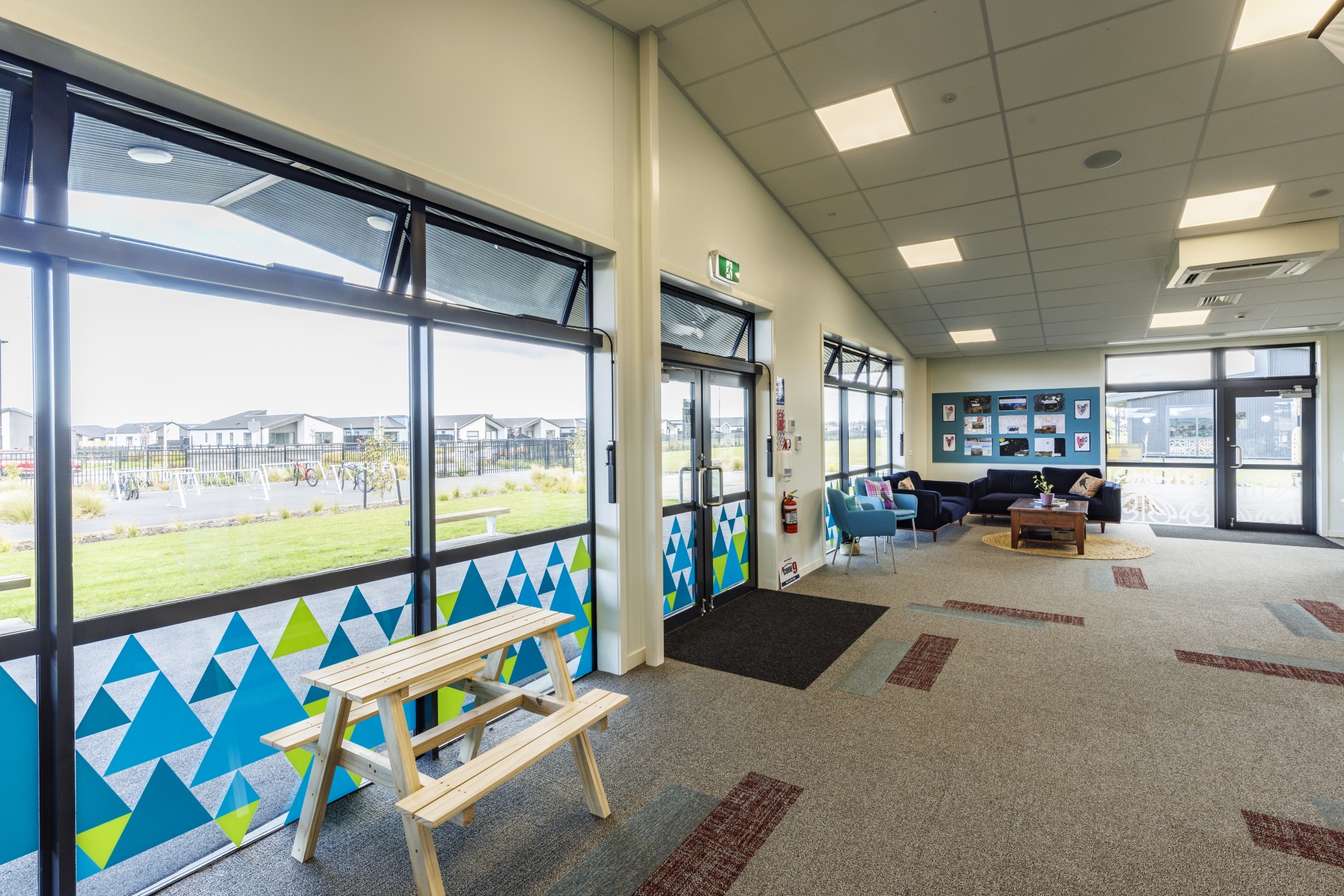
Manual chain opening from an accessible position
Remote manual winders are a strong option for projects that need manual control of windows above normal reach height without moving to a fully automated solution. A hand-operated winder or gearbox is connected to a remote chain opener, allowing the window to be opened and closed from a practical user location.
For many projects, remote manual winders provide a neat way to operate individual openings or selected grouped windows while keeping the control point accessible to occupants.
Compact manual operation
Remote manual winders can provide a cleaner room-side result than shaft and lever systems where blinds, deep reveals or interior finishes limit available space.
Alternative to electrical automation
Remote manual winders can suit projects where powered control is not required, but the window still needs to be operated from a convenient position.
Key benefits
- Accessible manual operation for high-level windows
- Good alternative where shaft and lever systems are not suitable
- Useful for individual openings and selected grouped windows
- Well suited to refurbishment and replacement projects
- Can provide a cleaner visual result in some applications
- Supported by EBSA NZ with selection and installation guidance
Where remote manual winders are best suited
Remote manual winders are best suited to high-level windows, deeper reveals, projects with blinds or room-side interface constraints, manual refurbishment work, and sites needing a practical manual solution without electrical controls.
They are often considered where a shaft and lever arrangement cannot be accommodated due to window geometry, reveal depth, internal linings, blinds or other room-side constraints.
| Application | Typical relevance |
|---|---|
| High-level windows | Allows manual opening from a lower, accessible winder position. |
| Deeper reveals | Can be easier to coordinate than shaft and lever systems where room-side mechanical geometry is restricted. |
| Windows with blinds | Can reduce the risk of bulky room-side hardware conflicting with blinds or internal finishes. |
| Refurbishment projects | Useful for replacing or upgrading older remote manual systems that are no longer operating reliably. |
| Simple manual operation | Suitable where powered automation, BMS control, weather response or smoke control integration is not required. |
Remote manual winders, shaft and lever, or electric actuators?
Remote manual winders, shaft and lever systems and electric actuators each have different strengths. The best option depends on the window layout, sash size, frequency of use, control requirements, appearance, reveal depth, blinds, installation access and long-term maintenance expectations.
Remote manual winders are often a practical middle ground where accessible manual operation is required but a shaft and lever system is too bulky or difficult to coordinate. Electric actuators may be more suitable where the project requires powered control, BMS integration, weather response, frequent operation, scheduled ventilation or smoke ventilation functionality.
Remote manual winders
Best suited to accessible manual operation of suitable high-level windows where a compact manual chain-opening arrangement is preferred.
Shaft and lever systems
Best suited to grouped sash arrangements where a robust visible mechanical system is acceptable and the room-side geometry can be coordinated.
Electric chain drives
Best suited to powered control, frequent operation, automation, sensors, BMS integration, smoke ventilation interfaces or remote operation.
Layout and installation considerations
Remote manual winders rely on a practical cable route between the manual operator and the remote chain opener. Straight, clean cable runs are preferred where possible, and the system should be coordinated with the joinery, wall linings, internal finishes and user access requirements.
In some applications, neat conduit runs or snap-on trunking can improve the finished result and help reduce site issues with joinery interfaces, internal finishes and cable alignment.
The manual operator should be positioned where it is accessible without obstructing window operation, blinds, furniture, wall linings or the intended use of the room.
| Design item | Why it matters |
|---|---|
| Operator position | The manual winder should be located where it is accessible and practical for the building occupants or facility team. |
| Cable route | Straight, clean cable paths help the system operate more reliably and reduce installation complexity. |
| Window geometry | The chain opener must suit the opening type, sash size, fixing position and available mounting space. |
| Blinds and finishes | Blinds, pelmets, linings and internal finishes should be reviewed so the operating hardware and cable route do not clash. |
| Frequency of use | For frequent operation or higher-duty requirements, electric actuators may provide a better long-term solution. |
Refurbishment and replacement support
Remote manual winders can also be a practical option for refurbishment, maintenance upgrades or replacement of older remote manual systems that are no longer operating reliably.
EBSA NZ can assist with reviewing existing remote manual window winder installations and identifying whether a replacement operator, chain head, cable route, refurbishment kit or broader system upgrade is the best approach.
Refurbishment projects should consider the existing window condition, chain opener location, operator position, cable route, fixing points and whether the existing arrangement still suits the building’s current use.
Related systems and services
| Related page | Typical relevance |
|---|---|
| Manual Shaft & Lever Window Openers | Robust mechanical systems for grouped sash operation where the room-side layout can accommodate the shaft and lever hardware. |
| Window Automation | Electric actuator and control system options where powered or integrated operation is required. |
| Chain Drives | Electric chain drive options for suitable awning windows, casement windows, façade openings and roof windows. |
| Design & Consultation | Early support with system selection, operator position, cable routes, window geometry and installation coordination. |
| Installation & Commissioning | Installation, adjustment, commissioning and handover support for agreed EBSA NZ systems. |
| Service & Maintenance | Inspection, replacement, refurbishment and service support for manual and automated operable façade systems. |
Frequently asked questions
What is a remote manual window winder?
A remote manual window winder is a manually operated window opening system where a hand operator or gearbox is connected by helical cable to a remote chain opening mechanism at the window.
When should remote manual winders be used instead of shaft and lever systems?
Remote manual winders are often suitable where shaft and lever systems are too bulky or difficult to coordinate due to reveal depth, blinds, internal finishes, mounting constraints or room-side geometry.
Are remote manual winders as robust as shaft and lever systems or electric actuators?
Remote manual winders are a practical solution for suitable manual window opening applications, but they are generally best treated as a lighter-duty manual system. For frequent operation, larger sashes, heavy loads, automated control or more demanding applications, EBSA NZ may recommend shaft and lever systems or electric actuators depending on the project requirements.
Can remote manual winders be used where blinds are installed?
Often, yes. Remote manual winders can be easier to coordinate with blinds than shaft and lever systems because they usually require less bulky room-side operating hardware. The blind location, cable route, operator position and window geometry should still be reviewed during selection.
Can remote manual winders be used for refurbishment projects?
Yes. Remote manual winders can be used for refurbishment, replacement and maintenance upgrade projects where existing manual window operating systems are no longer working reliably or where a practical manual opening solution is required.
Are remote manual winders a replacement for electric window automation?
Not usually. Remote manual winders are manually operated and are suited to projects where accessible hand operation is sufficient. Electric window automation is generally more suitable where the project requires powered control, weather response, BMS integration, scheduled operation, remote operation or smoke ventilation interfaces.
Can EBSA NZ help choose between remote manual winders, shaft and lever systems and electric actuators?
Yes. EBSA NZ can review the window layout, opening type, reveal depth, blinds, access, frequency of use, control requirements and installation conditions to help the project team select the most suitable manual or automated window opening method.
Discuss remote manual window winders with EBSA NZ
Contact EBSA NZ to discuss remote manual winders, shaft and lever systems, electric actuators, refurbishment options or the most suitable window opening method for your project.



© 2026 EBSA | All Rights Reserved. | Developed by Procloud
EBSA and the EBSA logo are both registered trademarks of EBSA Holdings Pty Ltd