Overview
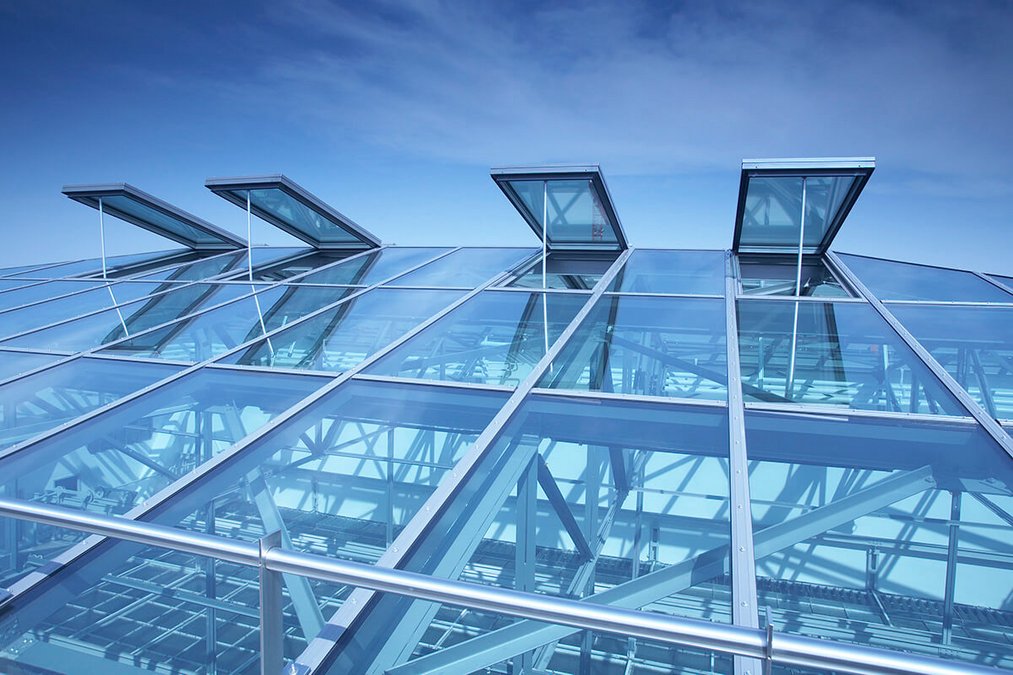
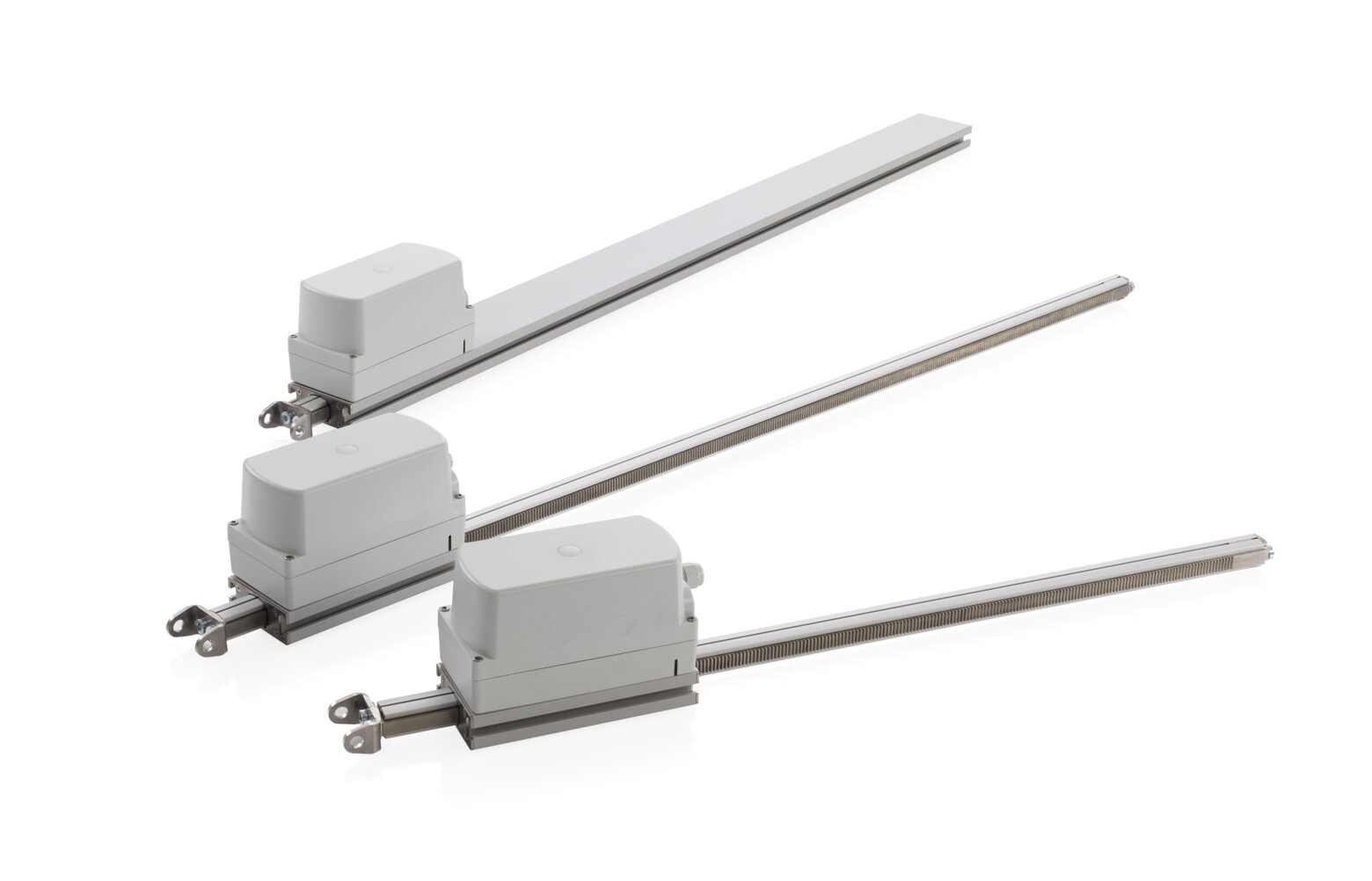
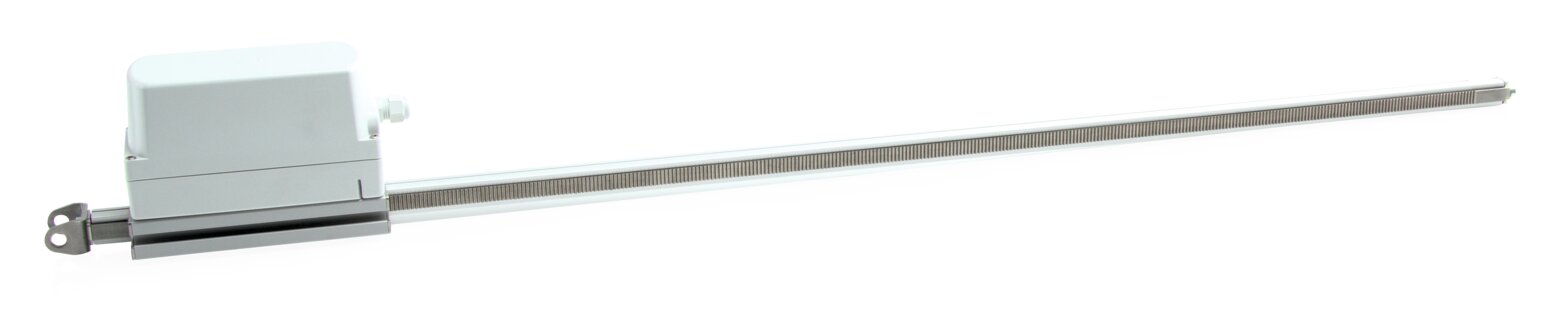
D+H DXD rack and pinion drives are specialist high-capacity linear window actuators for heavy roof windows, skylights, smoke control openings and other demanding commercial automation applications.
DXD drives provide up to 3000 N pressure force and 2000 N tensile force, with stroke options from 500 mm to 1500 mm depending on configuration. They are available in 24 V DC and 230 V AC versions with BSY+ synchronisation.
The DXD range is generally considered where the required force, stroke, speed, drive geometry or operating duty is beyond the preferred selection range of a conventional ZA rack and pinion drive.
EBSA can assist with drive selection, opening geometry, bracket coordination, structural fixing requirements, power supply, control-panel capacity, synchronisation, field cabling and commissioning.
DXD range at a glance
| Product type | Specialist high-capacity electric rack and pinion drive |
|---|---|
| Manufacturer | D+H Mechatronic |
| Pressure force | Up to 3000 N |
| Tensile force | Up to 2000 N |
| Stroke range | 500 mm to 1500 mm depending on configuration |
| Power options | 24 V DC and 230 V AC |
| Synchronisation | BSY+ digital synchronisation |
| Typical applications | Heavy roof windows, skylights, smoke control openings and demanding façade automation |
| Protection rating | IP 64, subject to selected model and installation arrangement |
| Control requirements | Compatible controller, correctly sized power supply, field cabling and project-specific commissioning |
Models and configurations
| Product code | Power and control | Force | Stroke | Product data |
|---|---|---|---|---|
| DXD 300-BSY+ HS | 24 V DC, BSY+, high-speed | 3000 N pressure / 2000 N tensile | 500–1500 mm |
Download datasheet |
| DXD 300-K-BSY+ HS | 230 V AC, BSY+, high-speed | 3000 N pressure / 2000 N tensile | 500–1500 mm |
Download datasheet |
High-capacity linear operation
DXD drives are intended for openings requiring substantial direct linear force. Their rigid rack arrangement makes them suitable for large roof windows, heavy skylights and other openings where the actuator must deliver high pushing or pulling capacity through a long operating stroke.
The full operating load is transferred into the sash, brackets, fasteners and supporting frame. The window construction and fixing arrangement must therefore be coordinated with the selected DXD drive force.
Pressure and tensile force
DXD configurations provide different force capacity depending on the direction of travel:
- Pressure force: up to 3000 N when the drive is pushing the opening element.
- Tensile force: up to 2000 N when the drive is pulling the opening element.
The required force should be reviewed against the sash weight, centre of gravity, hinge position, seal resistance, friction, wind effects, bracket position and opening geometry.
Long-stroke applications
DXD drives are available with strokes from 500 mm to 1500 mm, allowing substantial opening travel for compatible roof windows, skylights and façade openings.
The selected stroke must be coordinated with:
- The required clear opening or aerodynamic free area.
- The opening angle and sash geometry.
- The hinge position and actuator connection point.
- The available rack path.
- Clearance from framing, flashings and surrounding construction.
- Bracket geometry through the complete operating cycle.
24 V DC and 230 V AC versions
The DXD range includes both 24 V DC and 230 V AC configurations.
The 24 V DC version is suited to projects requiring integration with natural ventilation controllers, smoke control panels, battery-backed power supplies, sensors, fire alarm interfaces or broader control logic.
The 230 V AC version may suit project arrangements designed around mains-powered actuators and compatible control equipment.
The controller, power supply, protection devices and field cabling must be selected for the exact drive voltage, current demand, cable length and number of drives.
BSY+ synchronisation
DXD drives use D+H BSY+ technology to coordinate compatible drives operating together as a synchronised set.
This is important where a large opening requires more than one drive point. Synchronisation helps maintain coordinated movement and reduces the risk of the sash twisting or individual drives carrying an unequal share of the operating load.
The complete drive set should be supplied, configured and commissioned as one coordinated arrangement. Replacement of an individual drive within an existing synchronised set requires review of the installed product codes and programming.
High-speed operation
The DXD HS configurations provide high-speed linear movement for applications requiring a substantial opening to reach its operating position quickly.
Opening time depends on the selected stroke, drive configuration, load, control arrangement and installation conditions.
Typical applications
- Large roof windows.
- Heavy commercial skylights.
- Smoke control openings.
- Large natural ventilation openings.
- Façade openings requiring high linear force.
- Openings requiring strokes between 500 mm and 1500 mm.
- Windows requiring multiple synchronised drive points.
- Applications beyond the normal ZA force or operating range.
Natural ventilation and smoke control
DXD drives can form part of natural ventilation, general window automation and smoke control systems when connected to compatible control equipment.
Natural ventilation functions may include local switching, temperature control, weather response, timers, BMS commands and programmed ventilation sequences.
For smoke control applications, the DXD drive must be coordinated with the window, brackets, control panel, fire alarm interface, power supply, field cabling, installation requirements and commissioning process.
Drive and controller selection
The DXD actuator provides the mechanical movement required to open and close the window. The controller determines how and when the opening operates.
Drive and control-panel selection should account for:
- 24 V DC or 230 V AC operation.
- Drive current and starting demand.
- Number of drives per window.
- Number of windows per control group.
- BSY+ synchronisation requirements.
- Field cable length and voltage drop.
- Natural ventilation or smoke control operation.
- Fire alarm and BMS interfaces.
- Required fault monitoring and status indication.
- Battery-backed operation where applicable.
Bracket and structural coordination
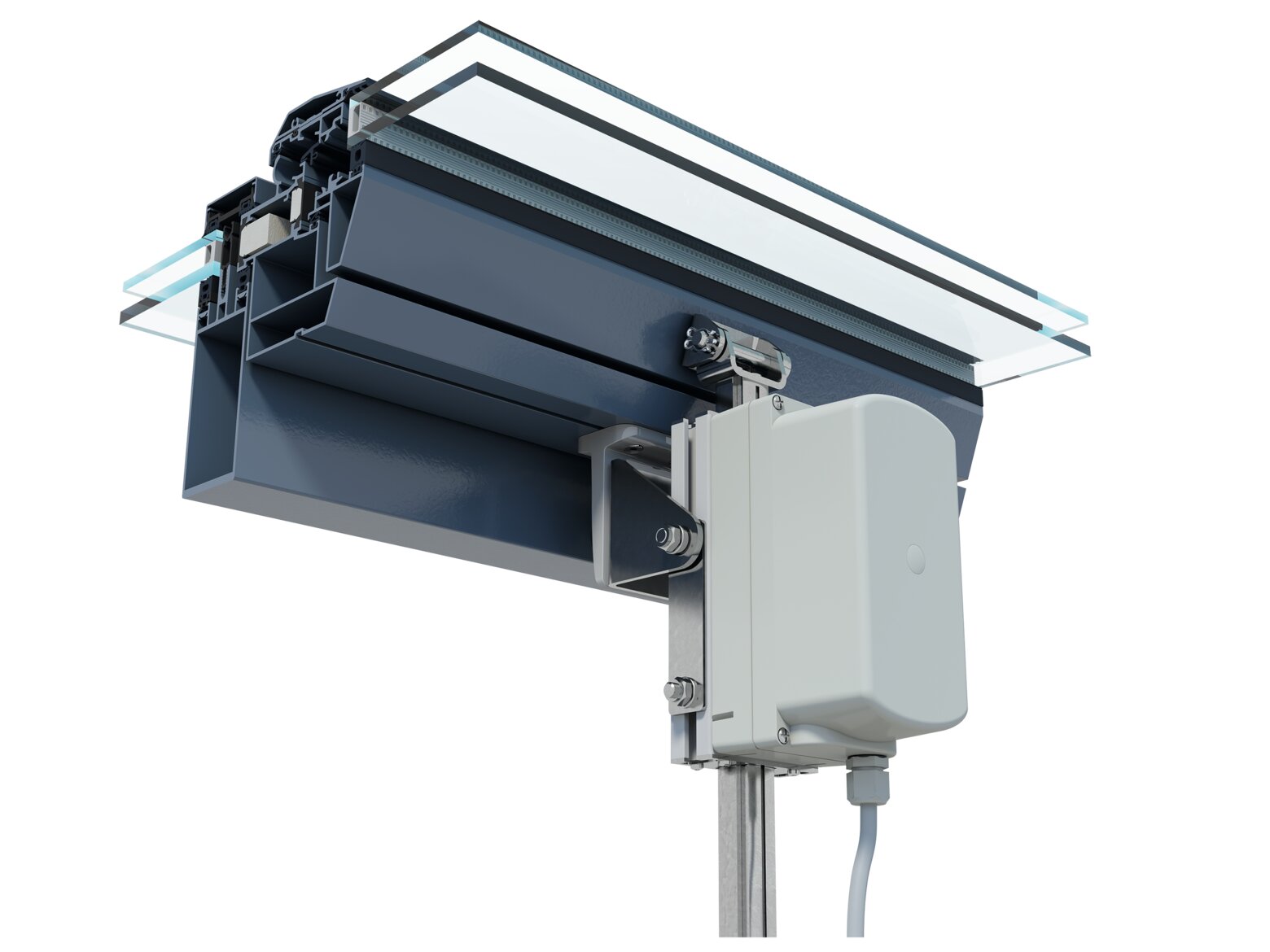
DXD drives transfer substantial direct loads into the window sash and supporting frame. Brackets, fasteners, window profiles and structural reinforcement must be capable of supporting the selected drive force through the complete opening and closing cycle.
The drive alignment and bracket geometry must allow the rack to travel freely without binding, twisting or contacting surrounding construction.
Project coordination should confirm:
- Window profile and sash construction.
- Available structural fixing points.
- Actuator body position.
- Rack travel and clearance.
- Bracket orientation.
- Push and pull load direction.
- Fastener type and edge distances.
- Access for installation, testing and future replacement.
Commercial window systems may require project-specific steel or aluminium bracket assemblies designed around the glazing suite and supporting structure.
Project selection checklist
- Confirm the window type, sash dimensions and sash weight.
- Confirm the required opening distance and opening angle.
- Confirm pressure and tensile force requirements.
- Confirm whether DXD is required instead of a ZA drive.
- Confirm the required stroke between 500 mm and 1500 mm.
- Confirm 24 V DC or 230 V AC operation.
- Confirm the number of drives required per opening.
- Confirm the BSY+ synchronisation arrangement.
- Confirm bracket geometry and structural fixing points.
- Confirm the available rack path and operating clearances.
- Confirm control-panel capacity and field cable lengths.
- Confirm natural ventilation, smoke control or combined operation.
- Confirm installation, commissioning and maintenance access.
Compatible system components
Depending on the project, DXD drives may be used with:
- Compatible D+H natural ventilation control panels.
- D+H smoke control panels.
- CPS-M project control panels.
- Wall switches and local control points.
- Temperature and ventilation sensors.
- Rain and weather sensors.
- BMS and third-party control interfaces.
- Fire alarm interfaces.
- Project-specific brackets and structural support assemblies.
- Synchronised multi-drive arrangements.
Instructions
Use the instructions that match the selected DXD voltage and product configuration. Confirm the exact product code, stroke, supply voltage, drive set and control arrangement before installation.
| Drive type | Applies to | Installation instructions |
|---|---|---|
| DXD 300-BSY+ HS | 24 V DC DXD BSY+ models |
DXD BSY+ instructions |
| DXD 300-K-BSY+ HS | 230 V AC DXD-K BSY+ models |
DXD-K BSY+ instructions |
Frequently asked questions
What force does a DXD rack and pinion drive provide?
DXD configurations provide up to 3000 N pressure force and 2000 N tensile force.
The required force depends on the sash weight, hinge position, seals, friction, wind effects, opening geometry and bracket location.
What stroke lengths are available?
DXD drives are available with strokes from 500 mm to 1500 mm depending on the selected configuration.
The correct stroke should be determined from the required opening, sash geometry, bracket position and available rack clearance.
What is the difference between pressure force and tensile force?
Pressure force is the available force when the actuator pushes the window open or closed. Tensile force is the available force when the actuator pulls the opening element.
The applicable rating depends on the actuator orientation and the direction of the operating load.
When should DXD be selected instead of ZA?
DXD should be considered where the opening requires higher force, long travel, high-speed operation or a specialist drive arrangement beyond the preferred ZA range.
ZA remains the normal starting point for most commercial rack and pinion applications.
Can DXD drives be used for smoke control?
Yes. DXD drives can be used in suitable D+H smoke control systems.
The actuator, window, brackets, control panel, fire interface, field cabling and commissioning requirements must be coordinated as one complete system.
Can multiple DXD drives operate one window?
Yes. Compatible DXD drives can operate as a BSY+ synchronised set where a large opening requires multiple drive points.
The drives, brackets, controller and window structure must be designed and commissioned as one coordinated arrangement.
Should I use the 24 V DC or 230 V AC version?
The 24 V DC version is generally preferred where the project requires smoke control, battery-backed operation, sensors, interfaces or broader control-system integration.
The 230 V AC version may suit systems designed around compatible mains-powered actuators and control equipment.
Does DXD require special brackets?
DXD applications commonly require substantial brackets and structural fixing arrangements because of the available drive force.
The bracket design depends on the window profile, opening geometry, actuator position, available fixing points and direction of load.
Can EBSA help select and coordinate a DXD drive?
Yes. EBSA can review the opening geometry, force, stroke, voltage, synchronisation, brackets, structural fixing requirements, control panel and field cabling before the drive is ordered.
Compare related drive families
- ZA Rack & Pinion Drives: the principal D+H rack-drive family for commercial façade windows, roof windows, external applications and smoke control openings.
- Rack & Pinion Drives: compare the ZA and DXD families and their typical applications.
- Chain Drives: compact VCD, CDC, KA, CDM and CDP chain-drive families.
DXD rack and pinion drive selection support
DXD selection depends on the window type, sash weight, opening geometry, required pressure and tensile force, stroke, voltage, synchronisation, bracket arrangement, structural fixings, control panel, field wiring and operating strategy.
EBSA can assist with selecting and coordinating the DXD drive, controller, brackets, wiring and commissioning requirements for the project.