
Overview
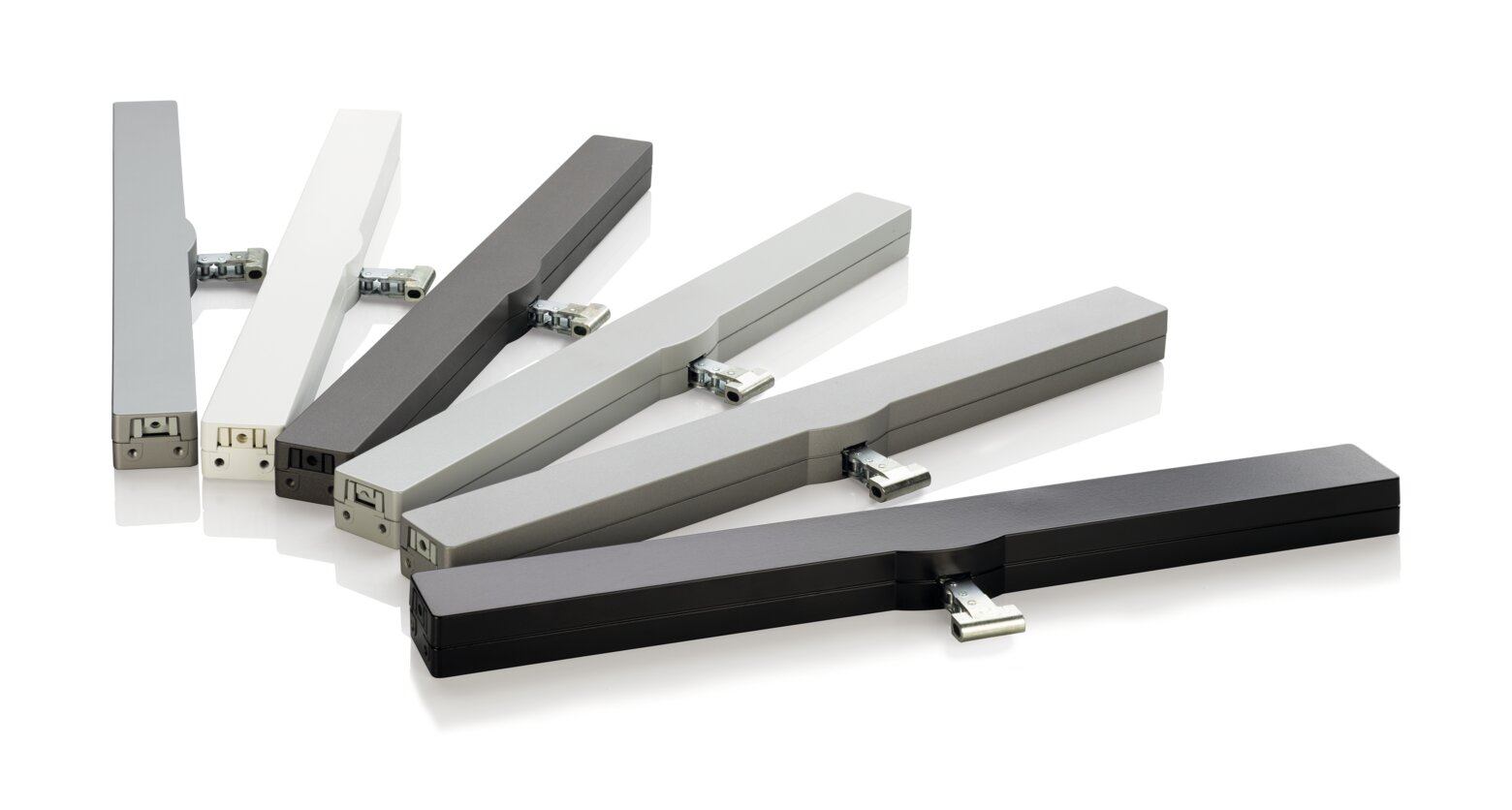
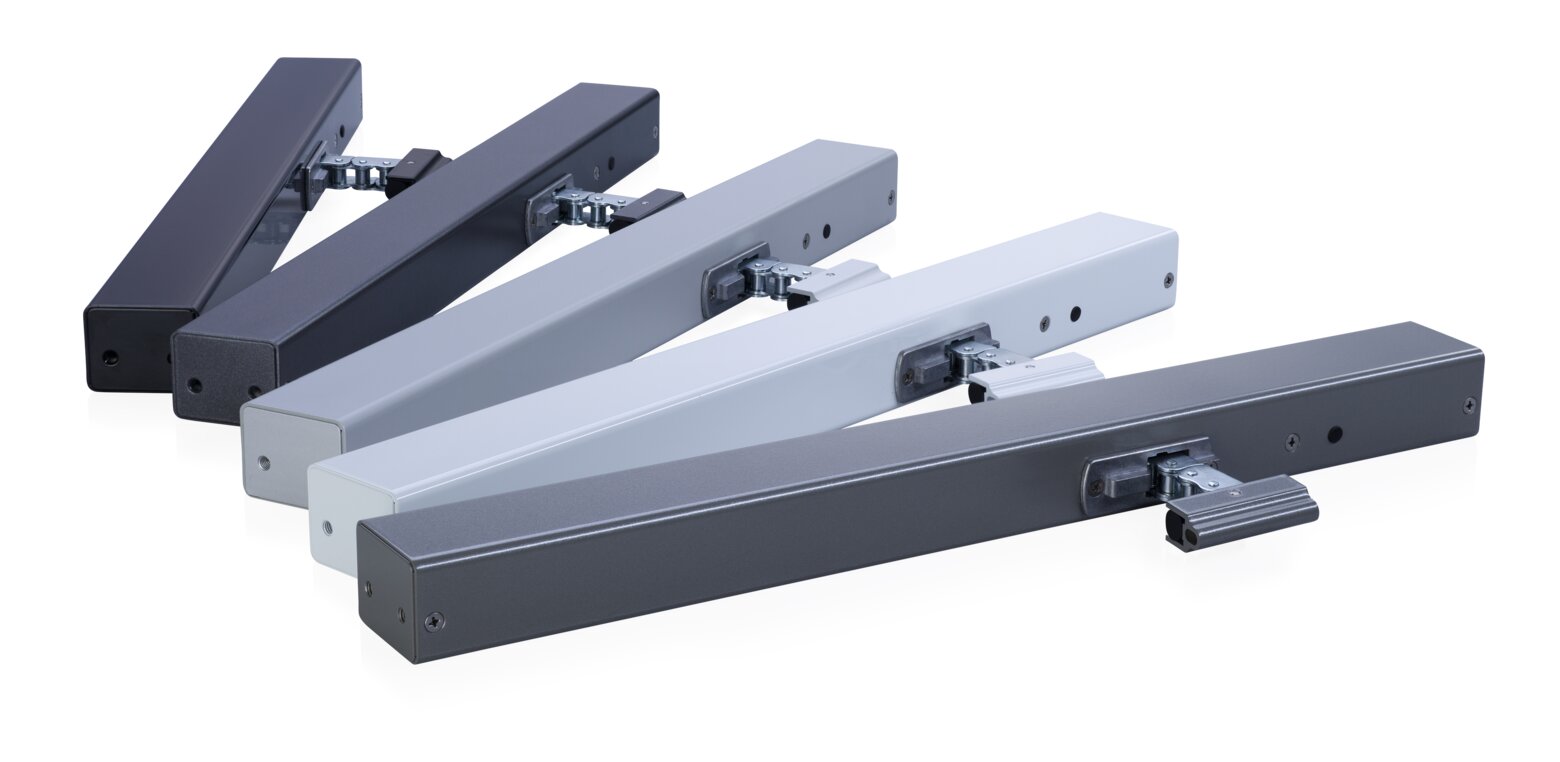
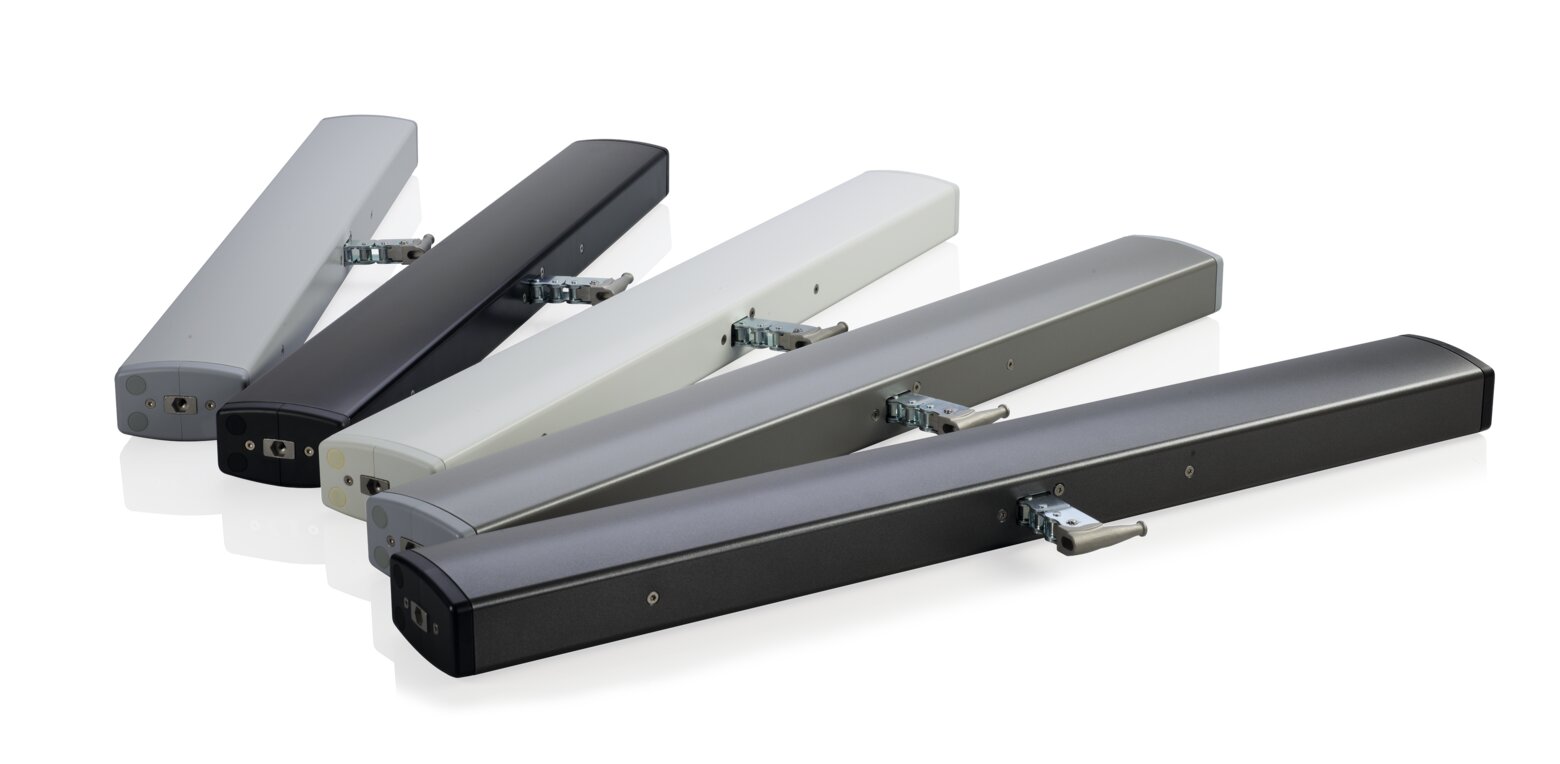
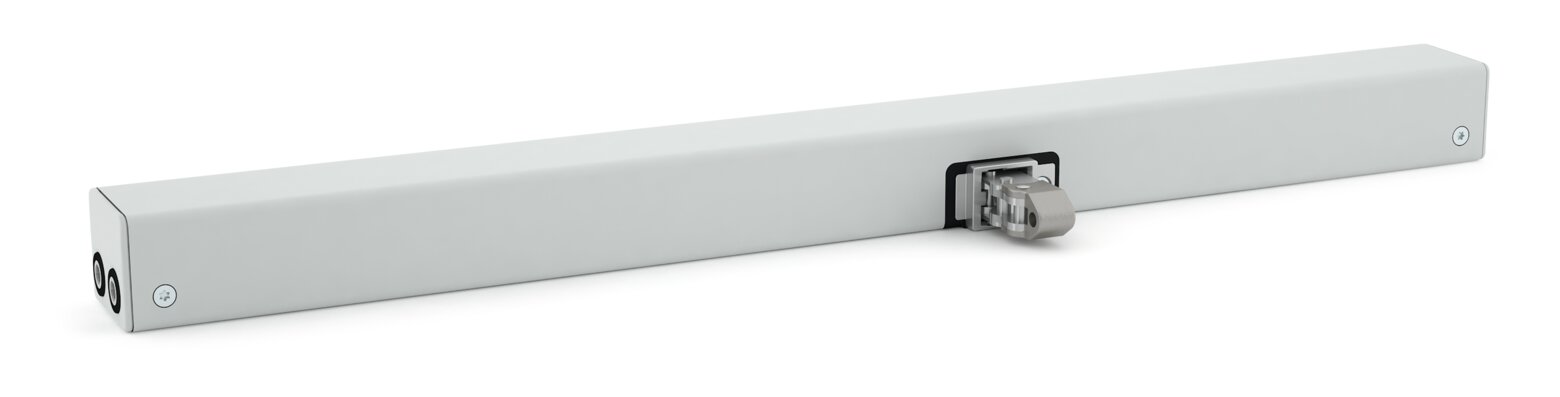
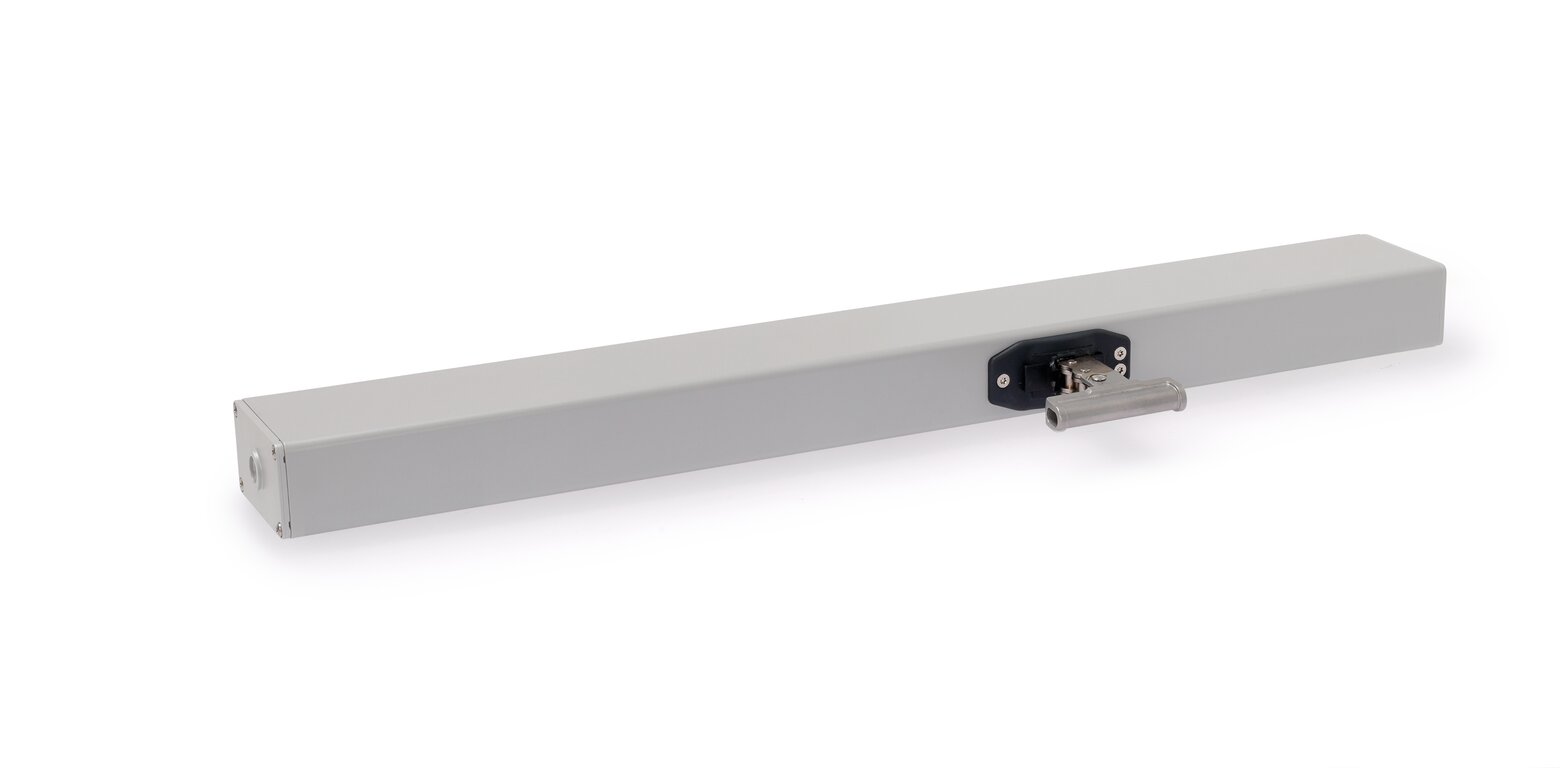
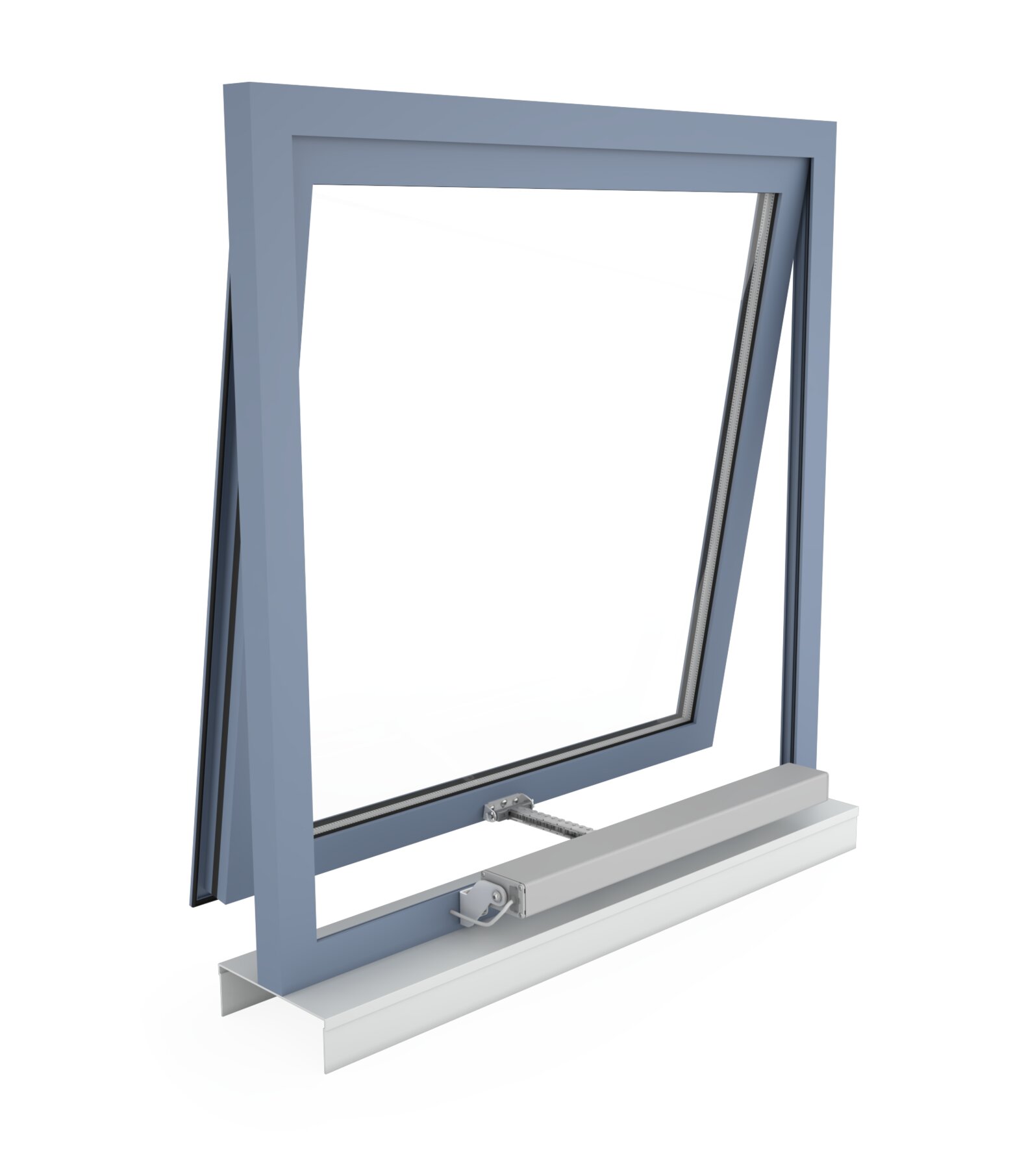
D+H CDM chain drives are exceptionally robust, compact high-force window drives for heavy commercial natural ventilation, general window automation and smoke control applications.
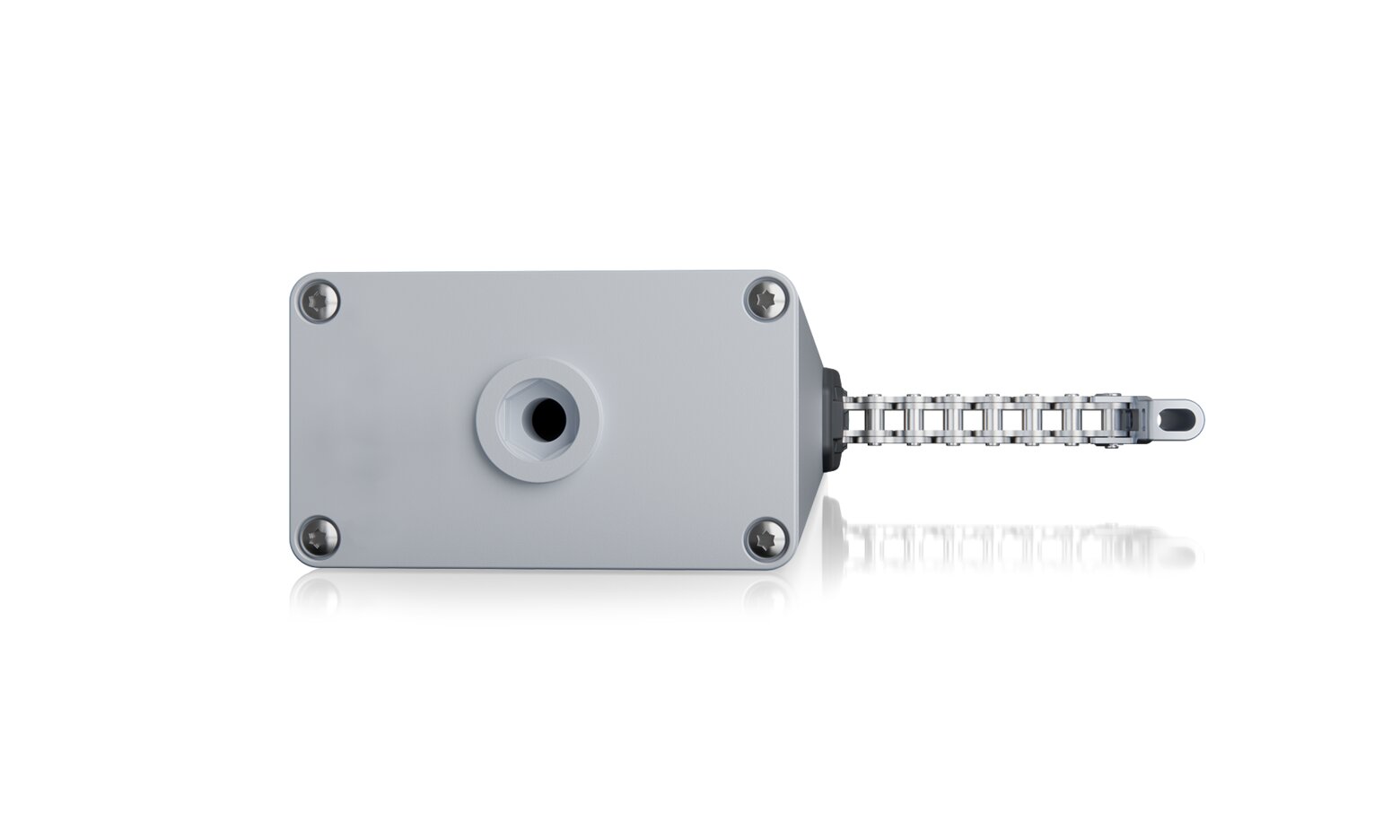
The CDM range includes 700 N and 1000 N operating-force versions with multiple stroke options. Despite their substantial force, long chain travel and heavy-duty construction, CDM drives remain unusually compact because of D+H’s efficient internal drive and chain-storage design.
CDM drives also provide approximately 3500 N locking force, allowing the closed window to be held firmly against seals, wind pressure and sash resistance.
CDM uses D+H’s latest digital drive technology. Drive selection must therefore include a compatible stabilised power supply, suitable control panel, correct current capacity, brackets, structural fixings and project-specific programming.
CDM range at a glance
| Product type | Compact heavy-duty high-force chain drive |
|---|---|
| Manufacturer | D+H Mechatronic |
| Model families | CDM-0700 and CDM-1000 |
| Typical applications | Heavy commercial natural ventilation, general window automation and smoke control systems |
| Window types | Compatible façade windows, roof windows, skylights and high-level commercial openings |
| Operating force | 700 N or 1000 N, depending on model |
| Locking force | Approximately 3500 N without bracket |
| Available strokes | Multiple stroke options from 300 mm to 1300 mm, depending on force and configuration |
| Power supply | 24 V DC ±15%, stabilised |
| Maximum supply ripple | 2 V |
| Current demand | Varies according to operating force and stroke |
| Control technology | PLP and ACB configurations, depending on model |
| Synchronisation | Up to four compatible drives, depending on the selected ACB configuration |
| Sound level | Up to approximately LpA 45 dB(A) during ventilation operation |
| Protection rating | IP 42 |
| Fire resistance | B300 |
| Duty cycle | 30% S6 |
| Control requirements | Compatible stabilised controller, correctly sized power supply, field cabling and project-specific programming and commissioning |
CDM-1000 models and configurations
The following CDM-1000 configurations have individual product data available. Current demand and other electrical characteristics vary with stroke and control technology and should be confirmed from the applicable datasheet.
| Product code | Supply and control technology | Force | Stroke | Product data |
|---|---|---|---|---|
| CDM-1000-0600-1-PLP | 24 V DC PLP | 1000 N | 600 mm | Download datasheet |
| CDM-1000-0800-1-PLP | 24 V DC PLP | 1000 N | 800 mm | Download datasheet |
| CDM-1000-1000-1-PLP | 24 V DC PLP | 1000 N | 1000 mm | Download datasheet |
| CDM-1000-0600-1-ACB | 24 V DC ACB | 1000 N | 600 mm | Download datasheet |
| CDM-1000-0800-1-ACB | 24 V DC ACB | 1000 N | 800 mm | Download datasheet |
| CDM-1000-1000-1-ACB | 24 V DC ACB | 1000 N | 1000 mm | Download datasheet |
CDM-700 models
CDM-700 drives provide 700 N operating force within the same robust and compact drive platform. Available strokes, current demand and exact ordering codes vary according to the required configuration.
D+H does not currently provide the same individual brochure coverage for the CDM-700 range as it does for the listed CDM-1000 models. EBSA can confirm the current CDM-700 ordering code, available stroke, control technology, current demand and product data for the project.
Heavy-duty performance in a compact drive format
CDM is not a light-duty ventilation actuator. It is a substantial commercial drive engineered for demanding window loads, high operating forces and long chain travel.
The CDM-700 provides up to 700 N operating force, while the CDM-1000 provides up to 1000 N. Both versions provide approximately 3500 N locking force.
The high locking force is particularly valuable where the closed sash must be held firmly against window seals, wind pressure and hardware resistance.
Despite this performance, CDM remains exceptionally compact, including versions with a 1000 mm chain stroke. D+H achieves this through an efficient internal chain-storage arrangement and drive design that provides long travel and high force from a relatively short actuator body.
Typical applications
- Heavy commercial façade windows.
- Large roof windows and skylight systems.
- Natural ventilation and mixed-mode ventilation systems.
- Smoke control systems.
- High-level windows requiring substantial opening or closing force.
- Windows requiring strong compression against seals when closed.
- Applications requiring long chain strokes from a compact drive body.
- Windows requiring synchronised multi-drive operation.
Drive and control system selection
The CDM drive provides the mechanical opening, closing and locking force. The selected controller determines how the window responds to wall switches, sensors, timers, BMS commands or smoke control signals.
PLP models provide conventional reverse-polarity operation using a compatible stabilised controller.
ACB models add digital communication, configuration, addressing, feedback and synchronisation when connected to a compatible D+H ACB control system.
Current demand varies according to both operating force and stroke. Control-panel and power-supply capacity must therefore be checked against the exact CDM configuration rather than applying one current value to the entire range.
CDM selection should be coordinated with:
- Window type, sash dimensions, weight and opening geometry.
- Required operating force and locking force.
- Window seals, hinges and hardware resistance.
- Required stroke and opening angle.
- Chain pressure-load capacity at the selected extension.
- Drive current for the selected force and stroke.
- Control-panel capacity and power-supply stability.
- PLP or ACB control technology.
- Single-drive or synchronised multi-drive operation.
- Bracket design, structural fixings and load transfer.
- Field cabling, cable routes and maintenance access.
- Natural ventilation, smoke control or combined operating strategy.
Digital drive electronics and controller compatibility
CDM drives use D+H’s latest digital drive technology and contain sensitive onboard electronics. They require a compatible stabilised 24 V DC power supply with supply ripple not exceeding 2 V.
CDM drives must not be connected directly to a GVL control panel or an unstabilised RZN control panel. Excessive power-supply ripple from an unsuitable controller may damage the drive electronics.
Where an existing GVL or RZN panel is being retained, EBSA must review the exact panel model, power-supply characteristics, connected loads and proposed drive interface before a CDM drive is connected.
A compatible stabilised control panel, upgraded power supply or suitable interface arrangement may be required.
Bracket and structural coordination
CDM chain drives use a sash bracket to connect the chain to the opening sash and a frame bracket to secure the drive body to the supporting window structure.
Because CDM drives generate substantial operating and locking forces, the bracket system, fasteners, window profiles and internal reinforcement must be capable of transferring the actuator loads without excessive flexing, distortion or loss of alignment.
EBSA can select standard D+H brackets or develop project-specific steel or aluminium bracket arrangements to suit the commercial glazing suite and available structural fixing points.
Window drawings, profile sections, reinforcement and fixing details should be reviewed before fabrication wherever practical.
Compatible system components
Depending on the project, CDM chain drives may be used with:
- Compatible stabilised natural ventilation control panels.
- Compatible D+H smoke control panels.
- CPS-M project control panels.
- Wall switches and local control points.
- Room temperature controls.
- Rain and weather sensors.
- Timers and programmed operating functions.
- BMS and third-party interfaces.
- D+H CDM brackets and installation accessories.
- Synchronised multi-drive arrangements.
Instructions
Select the installation instructions that match the drive model and control technology. Confirm the exact product code, stroke, current demand and controller compatibility before installation.
| Drive type | Applies to | Installation instructions |
|---|---|---|
| CDM-1-PLP / CDM-1-ACB | 24 V DC PLP and ACB CDM models | CDM-1 PLP / ACB instructions |
Frequently asked questions
What force options are available in the CDM range?
CDM is available in 700 N and 1000 N operating-force versions.
The CDM-700 suits applications requiring substantial force below the 1000 N range, while the CDM-1000 is used for heavier or more demanding windows.
What is the locking force of a CDM chain drive?
CDM drives provide approximately 3500 N locking force without bracket.
This allows the closed window to be held firmly against seals, wind pressure and sash resistance. Locking force is different from the 700 N or 1000 N operating force used to move the window.
Is the CDM physically larger and heavier than a standard chain drive?
CDM is a substantial heavy-duty commercial actuator with robust internal components and high structural capacity.
Although it remains compact relative to its force and stroke, its weight, brackets, fixing requirements and operating loads are significantly greater than those of a small ventilation drive.
Why is the CDM so compact for a long-stroke drive?
D+H uses an efficient internal drive and chain-storage design that allows CDM to provide long chain strokes from a relatively short actuator body.
This is particularly valuable where a 600 mm, 800 mm or 1000 mm stroke is required but mounting space is limited.
When should a CDM be selected instead of a KA chain drive?
CDM is generally selected where the application requires more operating force, locking force or stroke than the preferred KA arrangement can provide, while retaining a compact chain-drive format.
KA models provide up to 300 N, 500 N or 600 N depending on model, while CDM provides 700 N or 1000 N operating-force options.
What is the difference between PLP and ACB CDM drives?
PLP models provide conventional reverse-polarity operation using a compatible stabilised controller.
ACB models add digital communication, configuration, addressing, feedback and synchronisation when connected to a compatible D+H ACB control system.
Can CDM chain drives be used for smoke control?
Yes. CDM chain drives are used in D+H smoke control systems as well as natural ventilation systems.
The drive, window, stabilised control panel, fire alarm interface, field cabling and operating strategy should be coordinated as one complete system.
Can a CDM drive be connected to an existing GVL or RZN panel?
Not without checking the exact controller and power supply.
CDM drives require a stabilised 24 V DC supply with no more than 2 V ripple. They must not be connected directly to a GVL panel or an unstabilised RZN panel because excessive ripple may damage the digital drive electronics.
EBSA can review the existing panel and determine whether replacement, stabilisation or a suitable interface is required.
Can multiple CDM drives operate on one window?
Yes. Compatible ACB CDM drives can be configured to operate together as a synchronised set.
The selected configuration may support up to four drives. All drives within the set must use compatible control technology and be configured together.
How is the correct CDM stroke selected?
The required stroke depends on the window geometry, hinge position, bracket location, required opening angle and available clearance.
CDM is available in multiple strokes from 300 mm to 1300 mm depending on the force and configuration. The operating stroke may also be reduced through the applicable drive programming.
Why does CDM current vary between models?
CDM current demand changes according to the drive force, stroke and operating speed of the selected configuration.
The exact current must be taken from the applicable product data when sizing the control panel, power supply, cabling and drive groups.
Why is chain pressure-load capacity important?
A chain actuator carries tensile load effectively, but its pressure-load capacity reduces as the unsupported chain extension increases.
The stroke, bracket geometry, sash resistance and required opening force must therefore be reviewed together, particularly on long-stroke or outward-opening windows.
Which brackets are required for a CDM chain drive?
The bracket arrangement depends on the window profile, sash configuration, drive position and available structural fixing points.
Because CDM generates substantial operating and locking forces, brackets and fixings must be designed for the full actuator load. EBSA can select standard D+H brackets or develop project-specific brackets to suit the glazing system.
When should a CDP or rack and pinion drive be considered instead?
CDP may be considered where the project requires a different heavy-duty chain-drive format or longer stroke arrangement.
Rack and pinion drives may be preferred where the load, opening geometry, installation position or external exposure is better suited to a rigid rack actuator.
Compare other drive families
- VCD Chain Drives: compact drives for natural ventilation and general window automation.
- CDC Chain Drives: compact, low-noise drives for natural ventilation, window automation and smoke control systems.
- KA Chain Drives: commercial chain drives with 300 N, 500 N and 600 N force options.
- CDP Chain Drives: high-capacity drives for large openings and long-stroke applications.
- Rack & Pinion Drives: robust linear drives for applications better suited to rack and pinion operation.
CDM chain drive selection support
CDM drive selection depends on the required force, stroke, current demand, control technology, synchronisation requirements, bracket design, structural fixings, stabilised power supply, field wiring and operating strategy.
EBSA can assist with selecting and coordinating the CDM drive, control panel, brackets, electrical requirements and installation arrangement for the project.