
Overview
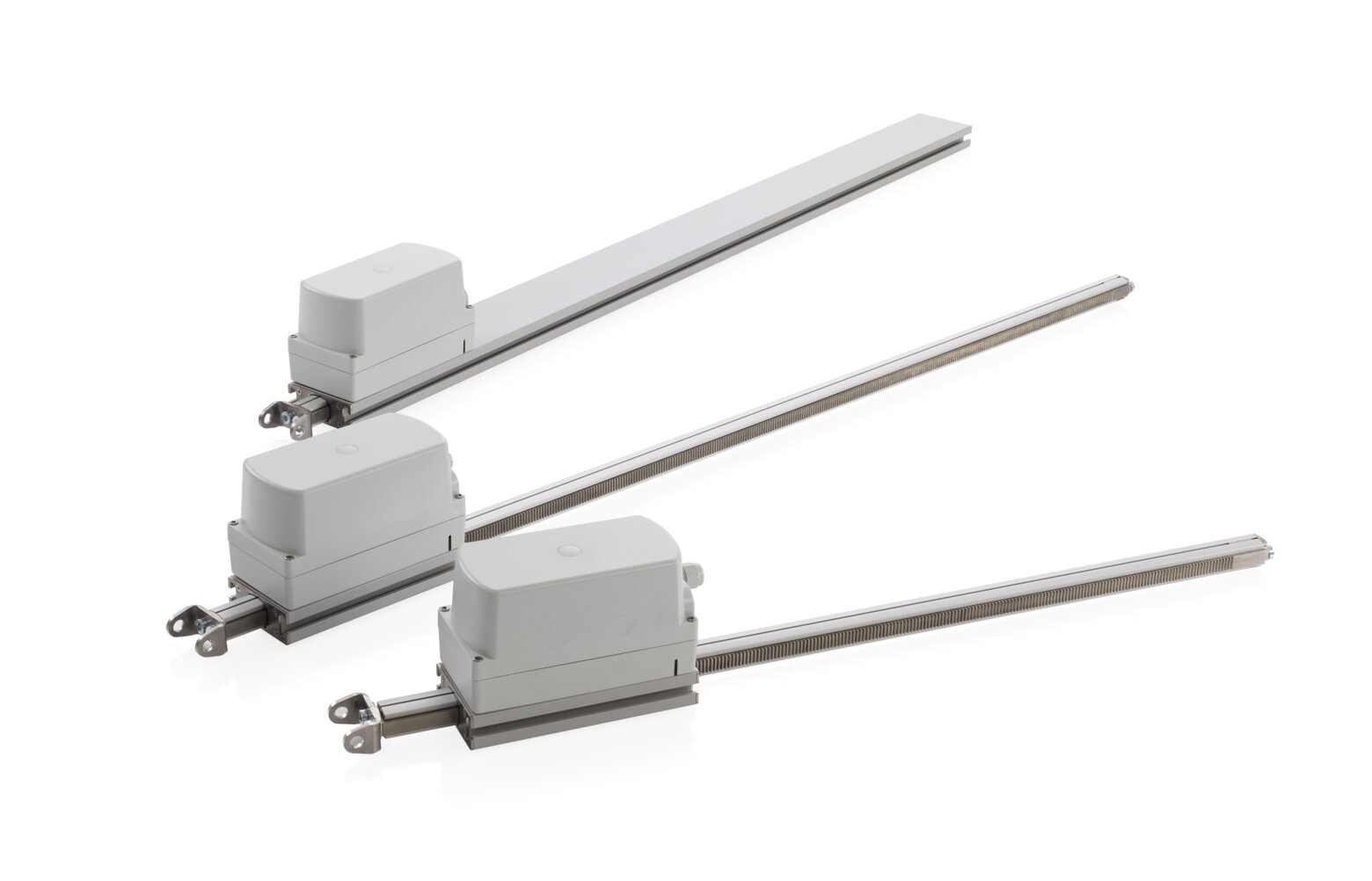
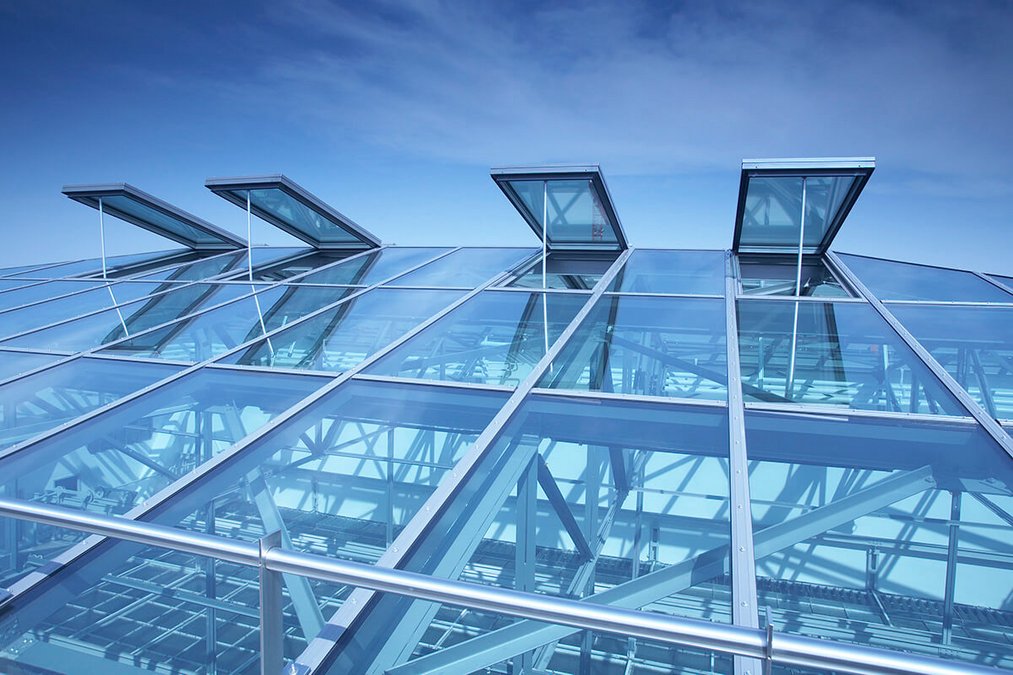
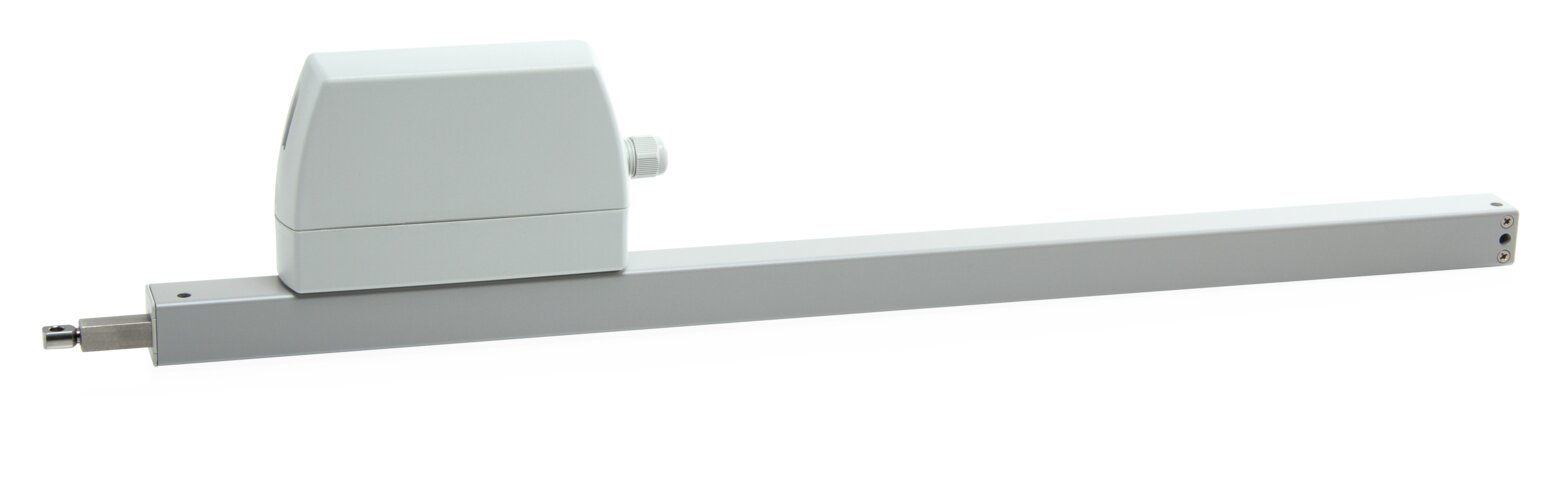
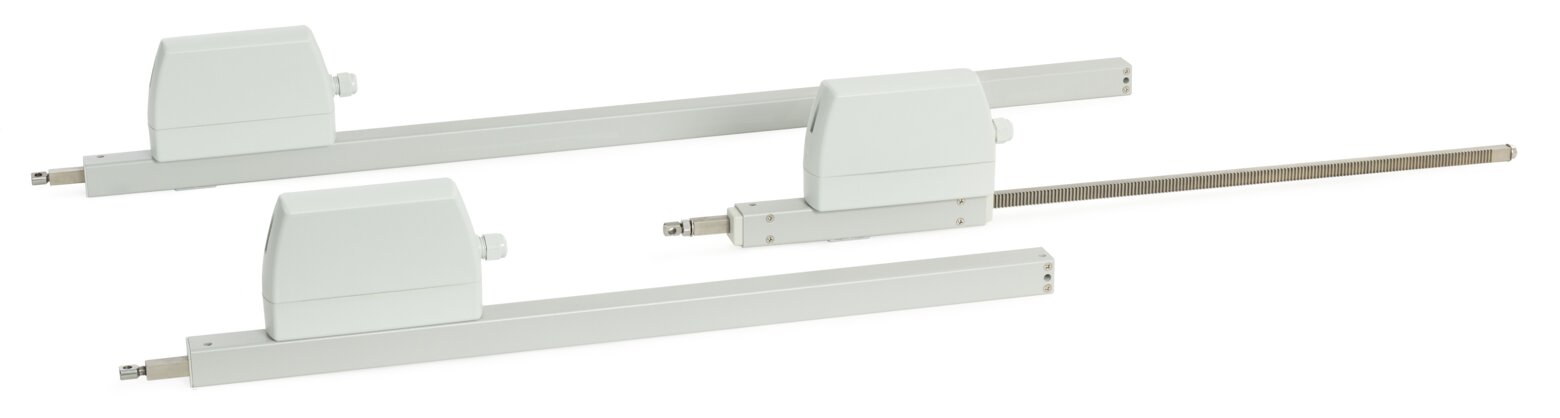
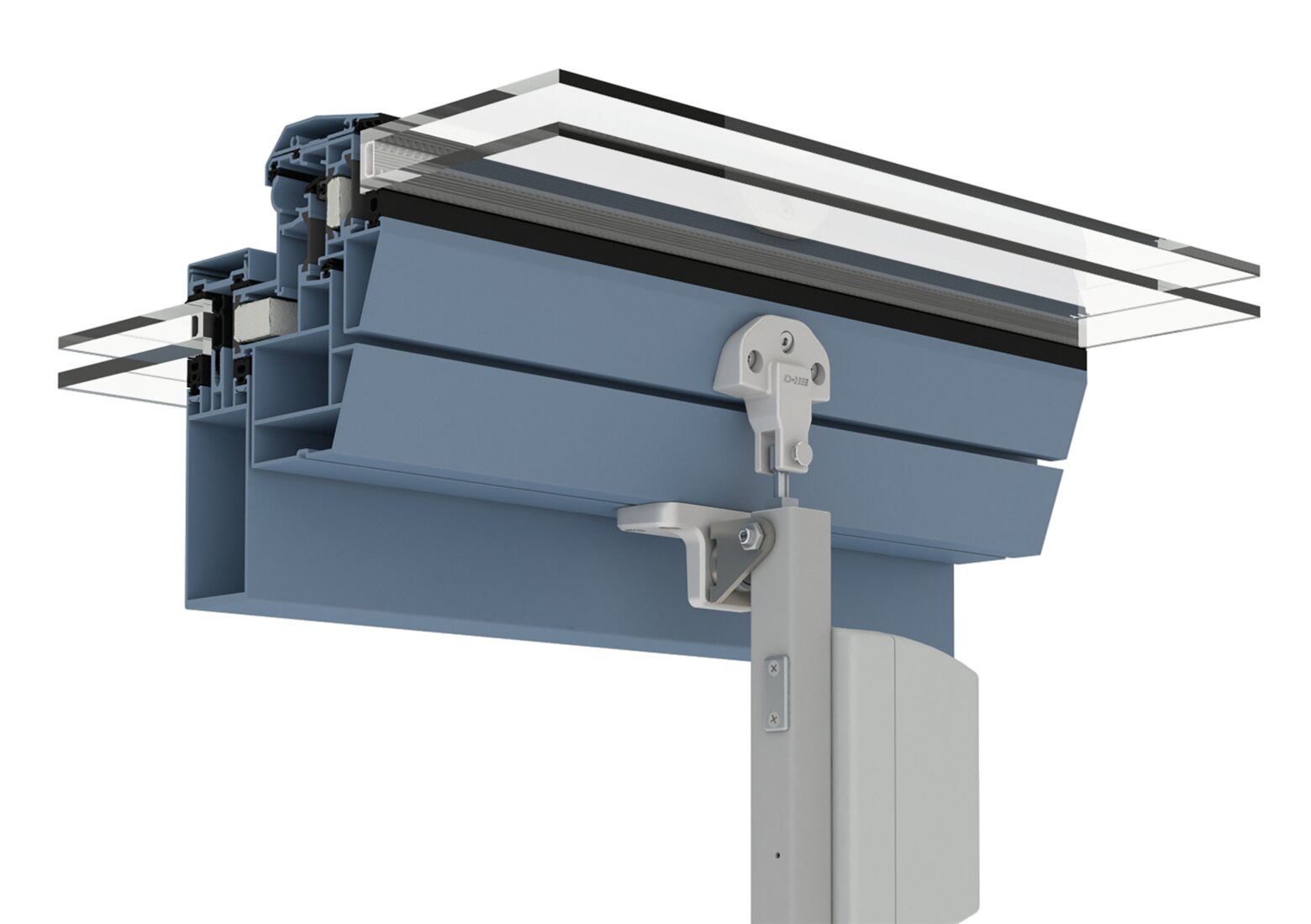
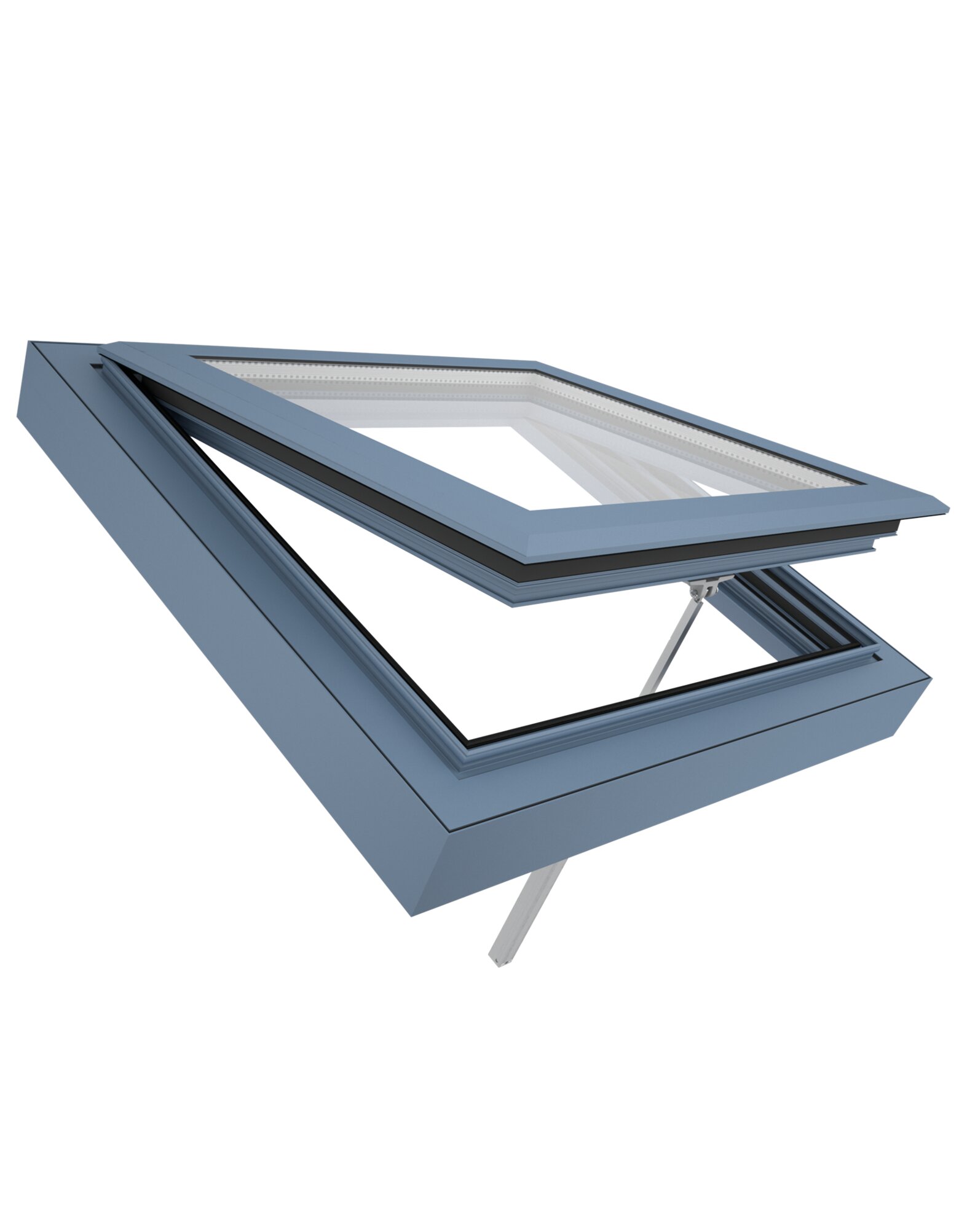
D+H ZA rack and pinion drives are robust linear window actuators for compatible façade windows, roof windows, skylights and high-level commercial openings.
The ZA range includes 300 N, 800 N, 1000 N and 1500 N force options, with multiple stroke lengths and 24 V DC or 230 V AC configurations depending on the model. Available control technologies include PLP, BSY+ and ACB.
ZA drives are commonly selected where the opening requires rigid linear movement, long stroke, substantial pushing force, external mounting or an environmental configuration beyond the normal scope of a compact chain drive.
EBSA can assist with selecting the appropriate ZA force, stroke, voltage, control technology, environmental version, brackets and control panel for the window and project operating strategy.
ZA range at a glance
| Product type | Commercial electric rack and pinion window drive |
|---|---|
| Manufacturer | D+H Mechatronic |
| Force options | 300 N, 800 N, 1000 N and 1500 N depending on model |
| Available strokes | From approximately 165 mm to 1500 mm depending on model and configuration |
| Power and control options | 24 V DC and 230 V AC options, including PLP, BSY+ and ACB configurations |
| Typical applications | Natural ventilation, general window automation, smoke control, roof-window operation and façade automation |
| Window types | Compatible façade windows, roof windows, skylights, high-level windows and externally mounted openings |
| Protection rating | Up to IP 65 depending on selected model and version |
| External version | W configuration available on selected ZA models |
| Swimming-pool version | WS configuration available on selected ZA models |
| Control requirements | Compatible controller, correctly sized power supply, field cabling and project-specific setup and commissioning |
Models and configurations
| Product code | Supply and control technology | Force | Stroke | Product data |
|---|---|---|---|---|
| ZA-0300-0350-1-PLP | 24 V DC PLP | 300 N | 350 mm | Download datasheet |
| ZA-0300-0500-1-PLP | 24 V DC PLP | 300 N | 500 mm | Download datasheet |
| ZA-0300-0600-1-PLP | 24 V DC PLP | 300 N | 600 mm | Download datasheet |
| ZA-0300-0800-1-PLP | 24 V DC PLP | 300 N | 800 mm | Download datasheet |
| ZA-0300-1-ACB | 24 V DC ACB | 300 N | 165–1500 mm | Download datasheet |
| ZA-0800-0500-1-PLP | 24 V DC PLP | 800 N | 500 mm | Download datasheet |
| ZA-0800-0600-1-PLP | 24 V DC PLP | 800 N | 600 mm | Download datasheet |
| ZA-0800-0800-1-PLP | 24 V DC PLP | 800 N | 800 mm | Download datasheet |
| ZA-0800-1000-1-PLP | 24 V DC PLP | 800 N | 1000 mm | Download datasheet |
| ZA-0800-0500-1-ACB | 24 V DC ACB | 800 N | 500 mm | Download datasheet |
| ZA-0800-0600-1-ACB | 24 V DC ACB | 800 N | 600 mm | Download datasheet |
| ZA-0800-0800-1-ACB | 24 V DC ACB | 800 N | 800 mm | Download datasheet |
| ZA-0800-1000-1-ACB | 24 V DC ACB | 800 N | 1000 mm | Download datasheet |
| ZA-1000-0500-1-PLP | 24 V DC PLP | 1000 N | 500 mm | Download datasheet |
| ZA-1000-0600-1-PLP | 24 V DC PLP | 1000 N | 600 mm | Download datasheet |
| ZA-1000-0800-1-PLP | 24 V DC PLP | 1000 N | 800 mm | Download datasheet |
| ZA-1000-1000-1-PLP | 24 V DC PLP | 1000 N | 1000 mm | Download datasheet |
| ZA-1000-1-ACB | 24 V DC ACB | 1000 N | 165–1500 mm | Download datasheet |
| ZA-1500-1-PLP | 24 V DC PLP | 1500 N | 165–1500 mm | Download datasheet |
| ZA-1500-1-ACB | 24 V DC ACB | 1500 N | 165–1500 mm | Download datasheet |
| ZA 105/350-K | 230 V AC | 1000 N | 350 mm | Download datasheet |
| ZA 105/500-K | 230 V AC | 1000 N | 500 mm | Download datasheet |
| ZA 105/800-K | 230 V AC | 1000 N | 800 mm | Download datasheet |
| ZA 35-K-BSY+ | 230 V AC BSY+ | 300 N | Model dependent | Download datasheet |
| ZA 85-K-BSY+ | 230 V AC BSY+ | 800 N | Model dependent | Download datasheet |
| ZA 105-K-BSY+ | 230 V AC BSY+ | 1000 N | Model dependent | Download datasheet |
| ZA 155-K-BSY+ | 230 V AC BSY+ | 1500 N | Model dependent | Download datasheet |
ZA force options
The required ZA force depends on the window weight, hinge arrangement, opening direction, seal resistance, wind load, bracket position and required opening geometry.
- ZA 300 N: commercial window automation where moderate linear force is required.
- ZA 800 N: heavier façade, roof and skylight applications requiring increased operating force.
- ZA 1000 N: demanding commercial windows and openings requiring substantial push and pull capacity.
- ZA 1500 N: high-load applications approaching the upper end of the standard ZA range.
Where the project requires significantly greater capacity, EBSA can review the D+H DXD range.
External and harsh-environment versions
Selected ZA drives are available in specialist configurations for external, humid or corrosive installations.
W version for external applications
The ZA W version is intended for exposed outdoor installations. Depending on the model, it includes a hardened stainless steel pinion, pressure-release ventilation and condensation protection.
This configuration should be considered where the drive is externally mounted or exposed to weather, condensation or changing environmental conditions.
WS version for swimming pools
The ZA WS version is intended for indoor swimming pools and other highly humid or aggressive internal environments.
It includes the W-version upgrades together with A4 stainless steel rack, pinion and eyebolt components for increased resistance in humid and chlorinated environments.
The drive version, brackets, fixings and surrounding electrical equipment should be selected together for the actual environmental conditions.
Typical applications
- Commercial façade windows.
- Roof windows and skylights.
- Natural ventilation and mixed-mode ventilation systems.
- Smoke control openings.
- High-level commercial windows.
- Externally mounted window drives.
- Indoor swimming-pool environments using appropriate WS versions.
- Applications requiring long stroke or rigid pushing movement.
- Windows requiring multiple synchronised drive points.
Drive and control system selection
The ZA drive provides the mechanical opening and closing movement. The selected controller determines how the opening responds to wall switches, sensors, timers, BMS commands or smoke control signals.
PLP models provide conventional reverse-polarity drive operation with compatible D+H programming functions.
BSY+ models allow multiple compatible drives to operate together as a synchronised set.
ACB models add digital configuration, addressing, feedback and communication when connected to a compatible D+H ACB control system.
ZA selection should be coordinated with:
- Window type, sash size, weight and opening geometry.
- Required operating force and stroke.
- Available space for the actuator body and rack path.
- Internal, external or harsh-environment installation.
- 24 V DC or 230 V AC power supply.
- PLP, BSY+ or ACB control technology.
- Single-drive or synchronised multi-drive operation.
- Control-panel capacity and current demand.
- Bracket geometry and structural fixing positions.
- Field cabling, cable routes and maintenance access.
- Natural ventilation, smoke control or combined operation.
Bracket and structural coordination
ZA drives transfer direct linear loads into the opening sash and supporting frame. The drive brackets, fasteners, window profiles and reinforcement must therefore be capable of carrying the selected actuator force.
The rack travel must remain clear throughout the full opening and closing cycle. Bracket locations should also provide suitable alignment between the rack, drive body and sash connection.
EBSA can select standard D+H brackets or develop project-specific steel or aluminium bracket arrangements to suit the commercial glazing suite and available structural fixing points.
Compatible system components
Depending on the project, ZA drives may be used with:
- Natural ventilation control panels.
- D+H smoke control panels.
- CPS-M project control panels.
- Wall switches and local control points.
- Room-temperature controls.
- Rain and weather sensors.
- Timers and programmed operating functions.
- BMS and third-party interfaces.
- D+H ZA brackets and installation accessories.
- Synchronised multi-drive arrangements.
Instructions
Select the instructions that match the drive voltage and control technology. Confirm the exact product code, stroke, force, environmental version and controller compatibility before installation.
| Drive type | Applies to | Installation instructions |
|---|---|---|
| ZA PLP | 24 V DC PLP models | ZA PLP instructions |
| ZA ACB | 24 V DC ACB models | ZA ACB instructions |
| ZA-K / ZA-K-BSY+ | 230 V AC and 230 V AC BSY+ models | ZA-K / ZA-K-BSY+ instructions |
Existing and legacy ZA drives
Some existing buildings contain earlier D+H ZA rack and pinion drives that are no longer part of the current product range. Replacement selection should be based on the complete product code, voltage, stroke, force, mounting arrangement, control technology and existing controller rather than appearance alone.
EBSA can review photographs of the product label, installed drive, brackets and window arrangement and recommend an appropriate current replacement pathway. Depending on the existing installation, this may involve a current equivalent, revised brackets, updated control equipment or changes to wiring and commissioning.
View legacy D+H product identification and replacement support
Frequently asked questions
What force options are available in the ZA range?
The ZA range includes 300 N, 800 N, 1000 N and 1500 N force options depending on the selected model.
The correct force depends on the sash weight, seals, hinge arrangement, wind load, opening geometry and bracket position.
How is the correct ZA stroke selected?
The stroke is selected according to the required window opening, hinge position, sash geometry, bracket location and available rack path.
ZA configurations are available with strokes extending to 1500 mm depending on the model.
What is the difference between PLP, BSY+ and ACB ZA drives?
PLP models provide conventional reverse-polarity operation with compatible D+H programming functions.
BSY+ coordinates multiple compatible drives operating together as a synchronised set.
ACB models add digital configuration, addressing, communication and feedback when connected to a compatible D+H ACB control system.
Should I use a 24 V DC or 230 V AC ZA drive?
A 24 V DC system is generally preferred where sensors, programmed automation, smoke control, feedback, battery-backed operation or building-system integration are required.
A 230 V AC model may suit simpler local control arrangements or projects specifically designed around mains-powered drives.
Can ZA rack and pinion drives be used for smoke control?
Yes. ZA drives are used in D+H smoke control systems as well as natural ventilation systems.
The actuator, window, brackets, control panel, fire interface, field cabling and commissioning requirements should be coordinated as one complete system.
Can ZA drives be installed externally?
Yes. Selected ZA drives are available in W versions intended for externally mounted or weather-exposed applications.
The exact model, mounting orientation, weather exposure, brackets, drainage and maintenance access should be reviewed before selection.
Are ZA drives suitable for indoor swimming pools?
Selected ZA drives are available in WS versions for indoor swimming pools and other highly humid or aggressive environments.
The complete installation should also use suitable bracket materials, fasteners, cabling and surrounding electrical equipment.
Can multiple ZA drives operate on one window?
Yes. Compatible BSY+ or ACB ZA drives can be configured for synchronised operation where one opening requires more than one drive point.
The drives, controller, brackets and window structure must be designed and commissioned as one coordinated set.
Can EBSA help replace an older or discontinued ZA drive?
Yes. EBSA can review the complete product code, voltage, stroke, force, brackets, rack arrangement, control technology and existing controller to identify an appropriate replacement pathway.
A visually similar ZA drive should not be assumed to be mechanically or electrically compatible. Clear photographs of the product label, installed actuator, brackets and window arrangement should be provided before a replacement is selected.
View legacy D+H product identification and replacement support
When should a DXD drive be considered instead of ZA?
DXD should be considered where the opening requires substantially greater force, long travel or a specialist high-capacity rack-drive arrangement beyond the preferred ZA range.
Which brackets are required for a ZA drive?
The bracket arrangement depends on the window profile, sash configuration, drive position, rack path and available structural fixing points.
EBSA can select standard D+H brackets or develop a project-specific bracket arrangement to suit the glazing system.
Compare other drive families
- DXD Rack & Pinion Drives: specialist high-capacity rack drives for demanding loads and long-travel applications.
- Chain Drives: compact VCD, CDC, KA, CDM and CDP chain-drive families.
- Rack & Pinion Drives: compare ZA and DXD drive families and their typical applications.
ZA rack and pinion drive selection support
ZA drive selection depends on the window type, opening geometry, required force and stroke, installation position, environmental exposure, control technology, synchronisation requirements, brackets, field wiring and operating strategy.
EBSA can assist with selecting and coordinating the ZA drive, controller, environmental version, brackets and installation requirements for the project.